Electric vehicles (EVs) are rapidly gaining popularity for their environmental friendliness and fuel efficiency compared to traditional internal combustion engine cars.
There are three main methods of EV charging, distinguished by the number of phases used for the charging process: single-phase, two-phase and three-phase charging.
Each of these methods has its own advantages and disadvantages.
POWER OVER ONE OR THREE PHASES?
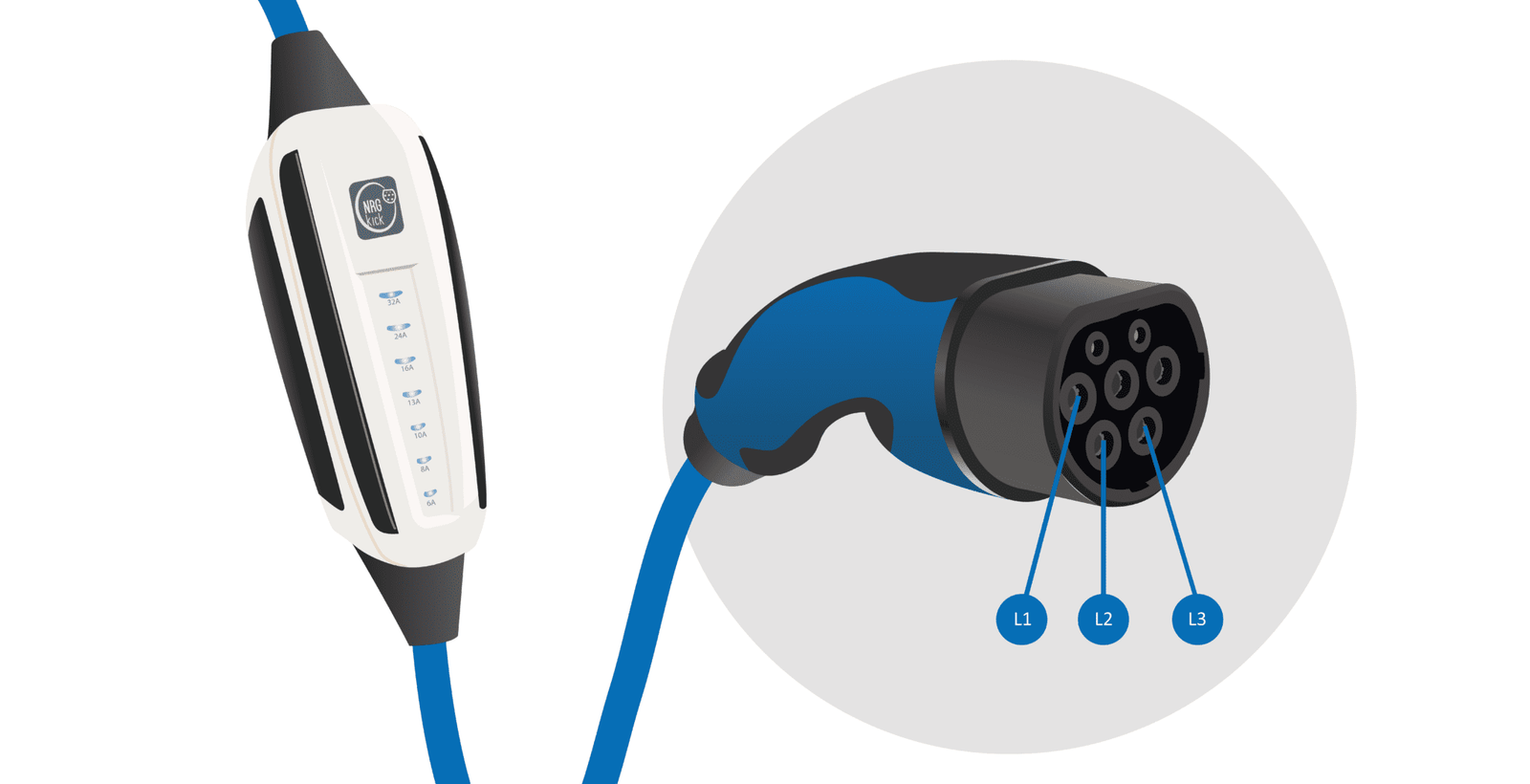
The alternating current used to charge EVs at home consists of three phases.
The ability to charge an EV in one, two or three phases depends on the outlet and on-board charger installed in the car.
There are different types of plugs:
– Schuko plugs: These are present in every household and can draw a maximum of 16 amps through one phase.
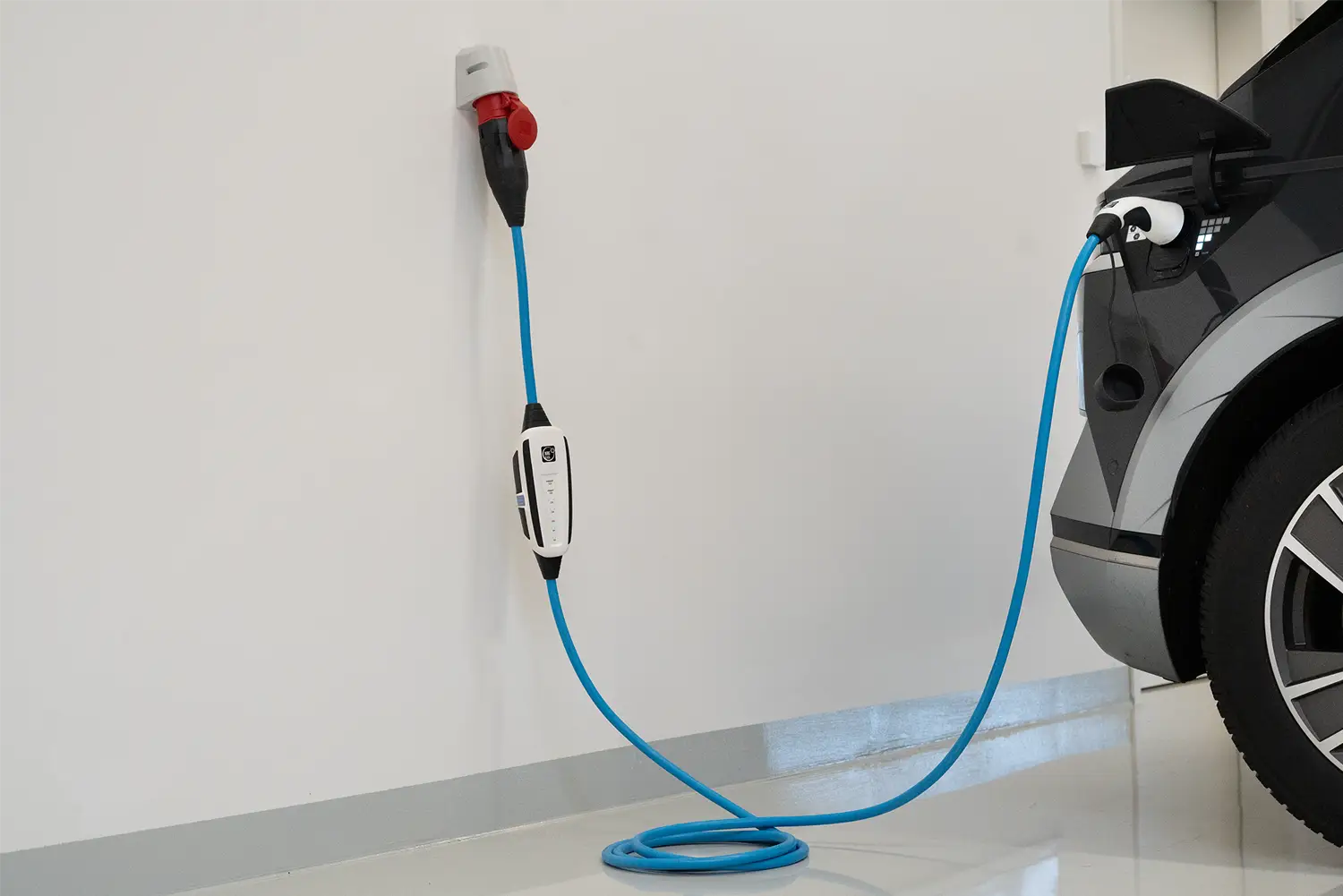
– CEE plugs: Also known as high-current plugs, available in versions up to 16 or 32 amps, with one or three phases.
The on-board charger in the EV determines how many phases and at what maximum power can be charged.
A three-phase on-board charger can also charge over three phases via a three-phase power connection.

Electric car charging over one phase
Single-phase charging is the simplest and most common form of EV charging.
It uses single-phase electricity and can be run on any household outlet.
Maximum power is limited to about 7.4 kW, which means charging can take a long time.
This is especially suitable for EVs with smaller batteries or for charging during the night.
Advantages:
– Available power source (household power outlet)
– Suitable for smaller batteries or low charge vehicles
– Cost-effective
Disadvantages:
– Longer loading times
– Limited payload depending on vehicle model
Electric car charging over three phases
Three-phase charging uses three phases of electricity and offers the fastest charging times, with outputs of around 11 kW or 22 kW.
The charging process is faster because power is transferred in three stages simultaneously, resulting in higher charging power.
Advantages:
– Shortest load times
– Suitable for vehicles with large battery capacity and high charging capacity
– Available charging stations in public places and highways
Disadvantages:
– Higher home installation costs due to dedicated charging infrastructure
– May not be available in some residential areas
– Usually higher charging costs
How does three-phase charging work?
Three-phase charging requires an appropriate charging infrastructure and an electric vehicle designed for it.
With a three-phase connection, power is transmitted in three phases simultaneously, leading to faster charging.
The payload can be adjusted as needed.

Electric car charging over two phases – rather rare?
Some EVs have a two-phase built-in charger installed, which is faster than single-phase charging.
However, two-phase charging is rare and there are hardly any charging solutions that support it.
Owners of such cars usually use three-phase charging cables to utilize the maximum charging power.
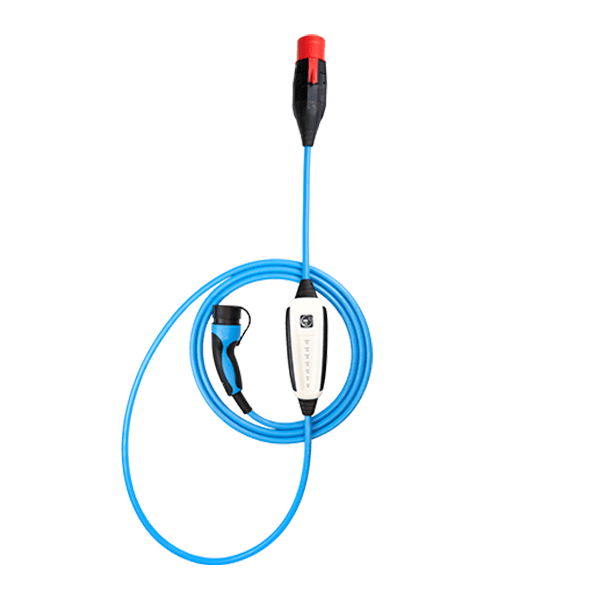
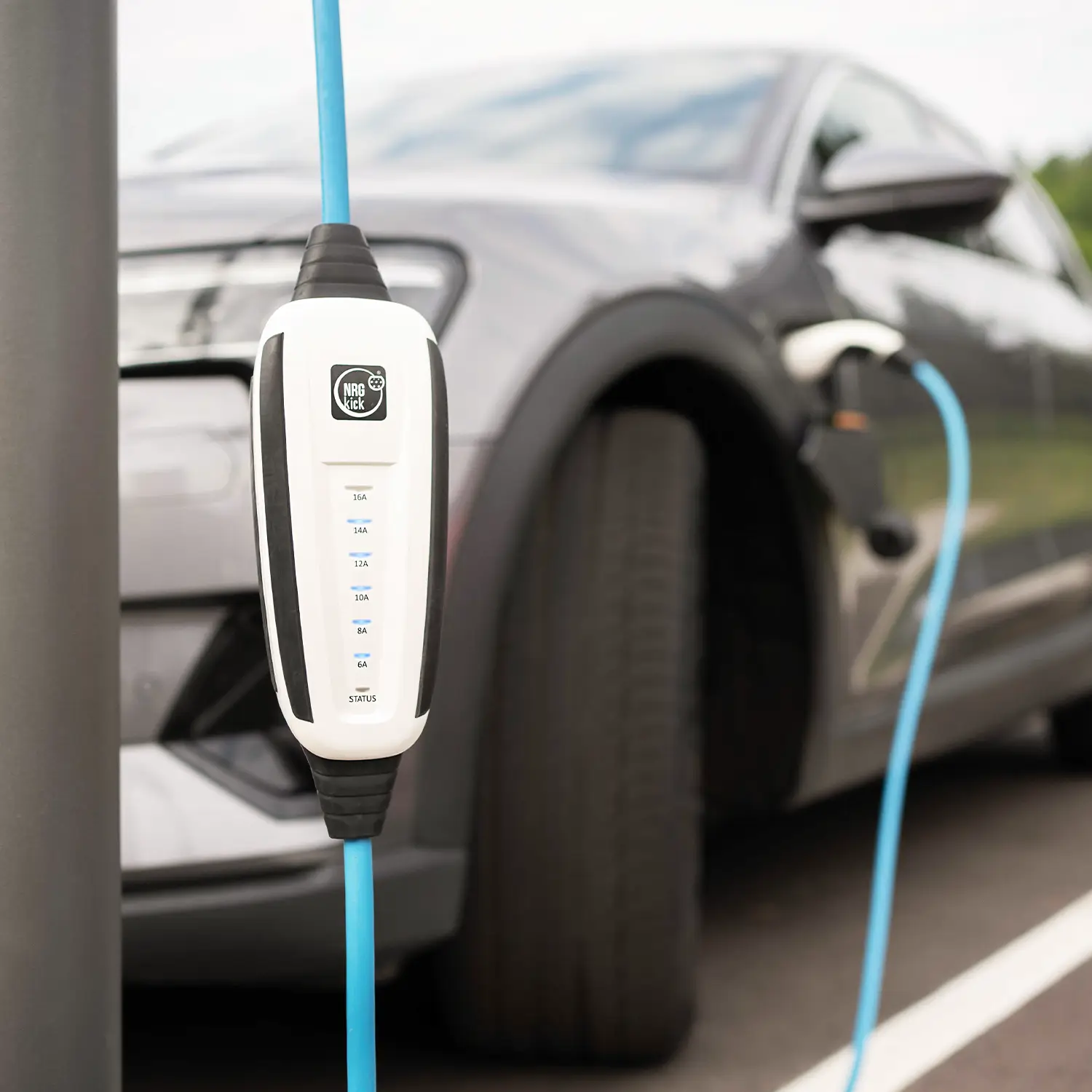
NRGkick: Flexible charging solution
NRGkick lets you charge flexibly depending on the outlet and plug attachment.
You can charge over one or three phases with one charging station, without purchasing additional charging infrastructure.
Overview of charge performance with NRGkick:
– Electric car, 1-phase max: 1.4 kW to 7.4 kW
– Electric car, max 2-phase: 2.8 kW to 14.8 kW
– Electric car, max 3-phase: 4.2 kW to 22 kW
With these options, NRGkick offers a flexible and secure way to charge your EV, regardless of your charging infrastructure and needs.
Related Posts